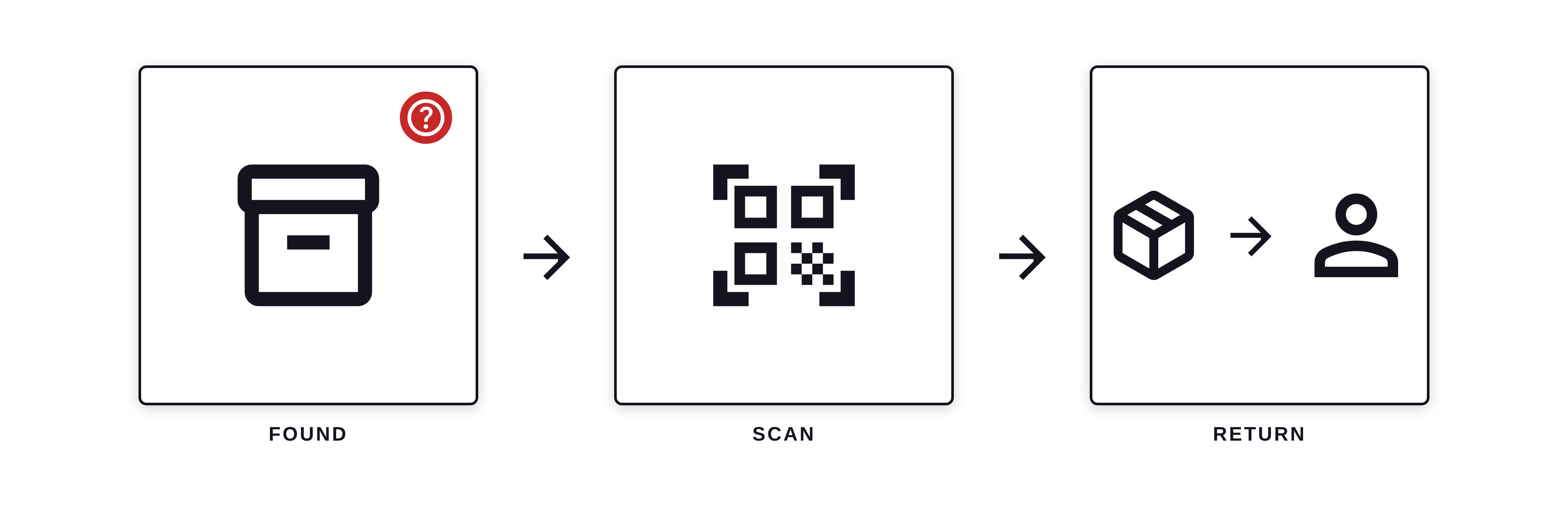
Permanent identities for real-world objects

Things get lost. Labels fade. Websites disappear.
The identity stays.

Resolve an identity

Enter an SF128 identifier, short code, or IPv6 address.

Learn the format

SF128 is a 128-bit identity format that fits natively into IPv6 and PostgreSQL.

How it works Do it.

Why this exists

Physical objects outlast software.

Websites disappear. Companies fail. Links rot.

But backpacks, notebooks, tools, and artifacts remain.

registrar.earth exists to make sure those objects never lose their identity.


What this is

This is not

  • A location tracker or Bluetooth beacon
  • An app you have to install
  • A walled garden that holds your data hostage
  • A proprietary format tied to one company

This is

  • A permanent, cryptographic name for anything physical
  • An open 128-bit format that fits IPv6 and PostgreSQL natively
  • Federated resolution with region-aware fallback
  • Infrastructure built to outlast any single company

What this enables

Recovery

A phone is found half-buried in snow after a storm. The case is cracked, the screen is dead, and any printed contact info is unreadable. But the identifier is still intact. Someone scans it, it resolves, and the phone finds its way home.

Provenance

A field notebook is recovered after a flood. The institution that issued it no longer exists. Its origin and context can still be verified.

Privacy

Someone wants to return an item without revealing their identity. The system allows contact without exposing personal information.

Legal / Research

A notebook is entered into evidence or cited in a study. Each page carries its own identity. Years later, opposing counsel or a peer reviewer needs to verify that the cited page existed, in that notebook, at that time. The page-level identifier confirms provenance without requiring access to the original.

registrar.earth gives physical objects permanent, verifiable identities —
so they remain meaningful over time.